Insight
Early-onset colon cancer is rising—and the conversation has largely focused on screening age.
But there’s a more profound change going on.
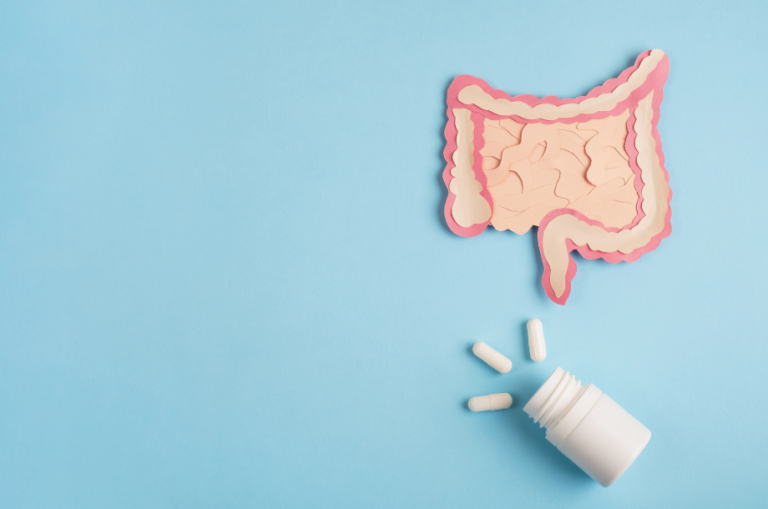
In a single generation, we have fundamentally altered the microbial environment of the human gut. C-section births, early antibiotic exposure, ultra-processed foods, chronic stress, sedentary living, microplastics in our internal organs—all of it reshapes our microbiome. And the colon is where those changes manifest most visibly.
Colon cancer under 50 isn’t simply “bad luck.” It is (at least in part) our bodies offering us feedback — a downstream consequence of ecological disruption in the gut.
The colon is an ecosystem. And ecosystems react when destabilized.
Clinical Moment from Digestive Center for Wellness
A patient in her early 40’s once told me, “I’ve had IBS since college.” Bloating. Intermittent bleeding. Irregular bowel habits. She managed it. Adapted to it. Normalized it.
When her symptoms escalated, we persuaded her to investigate more thoroughly and diagnosed her with an early-stage tumor. What struck me wasn’t just the diagnosis — it was how comfortable she had become living with dysfunction.
When chronic digestive symptoms are common in your peer group, they stop feeling like warning signs. But common does not mean normal.
Food or Habit
Think like a gardener, not a dieter.
The most protective thing we can do for the colon may not be restriction — it may be cultivation.
Research increasingly supports the idea that microbial diversity and short-chain fatty acid production (especially butyrate) help maintain colonic cell integrity and regulate inflammation. Inflammation is often the precursor to cancer.
How do we support an anti-inflammatory gut? Here are 5 important ways:
- 30+ different plant foods per week
- Resistant starches like beans, lentils, cooked and cooled brown rice or potatoes, green bananas
- Fermented foods in small, regular doses
- Omega-3 rich fats (for example, wild-caught salmon, flaxseed, chia seeds, and walnuts)
- Avoiding ultra-processed foods, which starve microbes of meaningful substrate
This isn’t about perfection. It’s about feeding the ecosystem consistently over time.
Clarifier
Rising rates of early-onset colon cancer does not mean everyone under 50 with bloating should panic. It does mean we need to stop dismissing persistent symptoms.
Red flags that deserve evaluation:
- Blood in the stool, on the toilet paper, or in the bowl
- A change in bowel habits – especially more constipation or narrow stools
- Unexplained Iron deficiency anemia
- Unintended weight loss
- Symptoms that persist despite lifestyle adjustments
Screening now begins at 45 for average-risk adults — earlier with symptoms or family history.
Listening to your body is not anxiety. It’s learning to be your own health advocate so you can save your own life.
Shift Towards Gutbliss
This week, do one ecosystem-building shift: Add one new plant food to your meal every day for 7 days. A different bean. A new leafy green. Fresh herbs. Ground flax…
Small, repeated inputs change microbial output — and over time, change ecosystems.