Insight
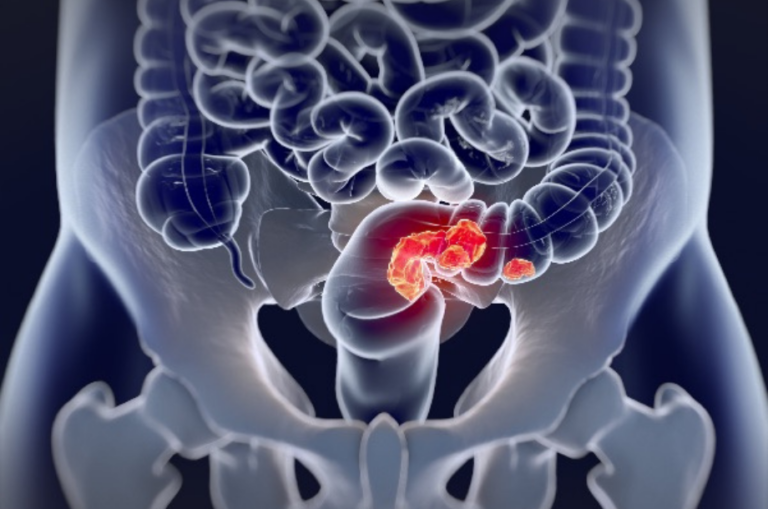
Not all gut symptoms come from food. Anatomical factors can matter more than what’s on your plate. Sometimes your pipes are blocked from within; sometimes something outside is pressing on them.
Clinical Moment from Digestive Center for Wellness
Anne had been bloated and constipated for years, despite a healthy diet and lots of exercise. A colonoscopy revealed her twisty colon was filling up with fiber and clogging her digestive pipes. Once she spread out her fiber intake throughout the day and upped her hydration from 50 to 80 ounces of water, things finally started to flow.
Food or Habit
Fennel is a quiet winter hero. It contains natural compounds that relax your intestinal muscles, helping trapped gas move through, which can relieve your bloating. When your pipes feel tight, fennel may help release the valve. Crush 1 teaspoon of fennel seeds, steep in hot water for 5–10 minutes, strain, and sip warm.
Clarifier
To unclog your digestive pipes, think in categories — not just foods. Here are some important ones:
- start with Anatomy: twisty colon, scar tissue, fibroids, prolapse, diverticulosis
- then Physiology: slow motility, pelvic floor dysfunction, disrupted microbiome
- then Hormones: cycle changes, perimenopause, hypothyroidism
- and finally, Medications: iron, pain meds, antidepressants (and lots more!)
Food matters — but flow, pressure, and structure are important too.
Shift Towards Gutbliss
Feeling backed up? Try a 24-hour shift to liquids — warm broths, herbal tea, or diluted juices — to help your pipes unclog. Warm fluids in the morning can gently stimulate your gastrocolic reflex.
Sometimes it’s not more fiber your gut needs — it’s more flow.