

A 56-year-old man came to see me with a very specific complaint: Every time he ate fatty food, he felt terrible. Nuts, salmon, sardines, dairy, meat – all produced bloating, cramping, and softer stools. He was sure he had “fat malabsorption” and wanted me to figure out why. There were a few possibilities to explain […]
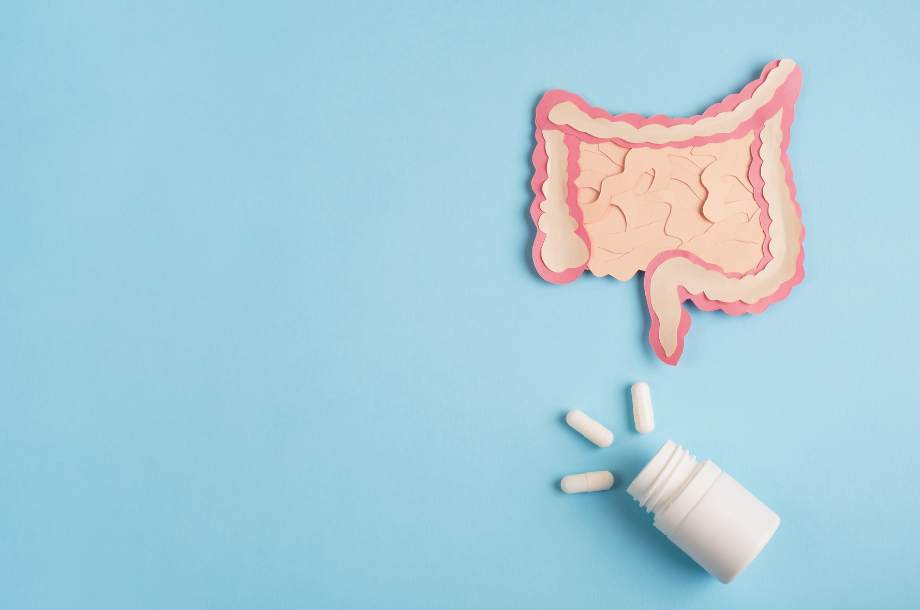
We’ve known for years that antibiotics can disrupt the gut microbiome. A new Nature Medicine study suggests those effects may be detectable for much longer than we thought. Researchers combined prescription records with stool microbiome data from about 15,000 adults and reviewed antibiotic use over the previous eight years. The most significant microbiome changes were […]
Prebiotic sodas are everywhere, promising the nostalgic taste of soda with less sugar—and a little something for your microbiome. But are they actually good for your gut? What’s in the Can? The big difference between these drinks and regular soda is sugar and fiber. One of the most popular brands contains 3 to 9 grams […]

InsightWe’ve never been more hygienic—antibacterial soaps, disinfectants, ultra-clean food environments. And yet, we’re seeing more digestive disorders, food sensitivities, and immune dysregulation than ever before. The gut microbiome evolved in constant contact with the natural world—soil, plants, animals, and a wide range of microbes. When that exposure is reduced, diversity declines. And when diversity declines, […]

InsightGas has a bad reputation. But much of the gas your gut produces is a sign that your microbiome is doing exactly what it’s supposed to do — fermenting fiber and producing compounds that support intestinal health. When we eliminate “gassy” foods like beans and vegetables, we’re not fixing the problem. We’re often starving the […]
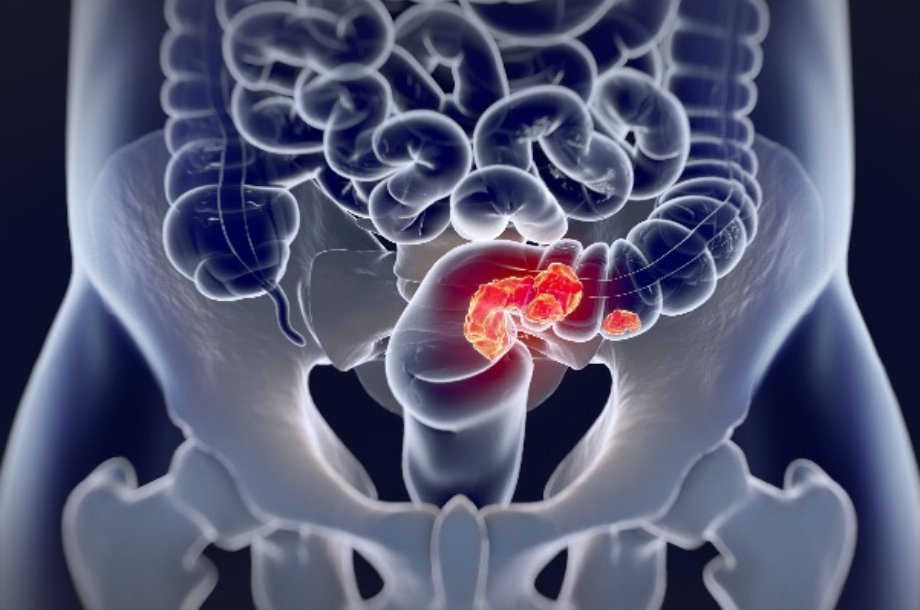
InsightEarly-onset colon cancer is rising—and the conversation has largely focused on screening age. But there’s a more profound change going on. In a single generation, we have fundamentally altered the microbial environment of the human gut. C-section births, early antibiotic exposure, ultra-processed foods, chronic stress, sedentary living, microplastics in our internal organs—all of it reshapes […]
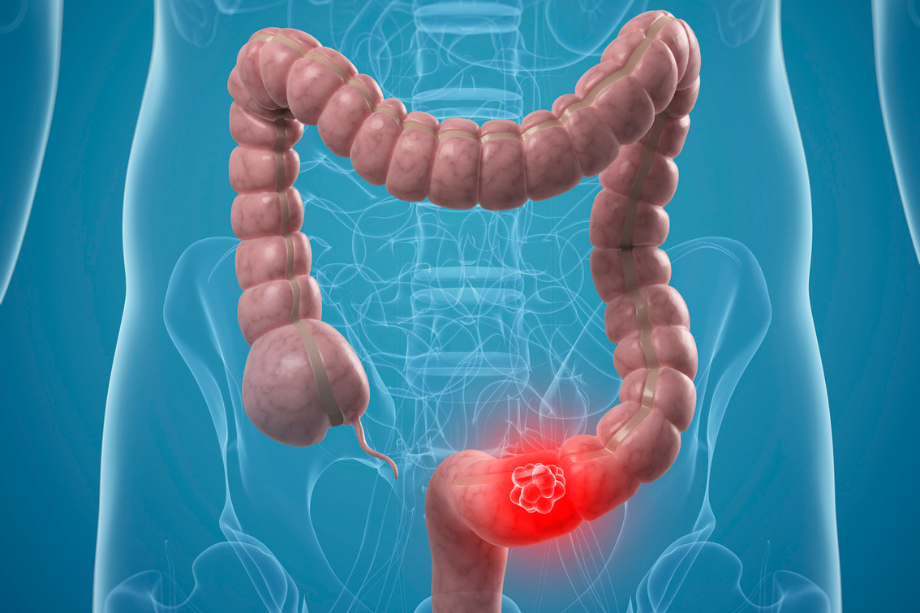
Insight Not all gut symptoms come from food. Anatomical factors can matter more than what’s on your plate. Sometimes your pipes are blocked from within; sometimes something outside is pressing on them. Clinical Moment from Digestive Center for WellnessAnne had been bloated and constipated for years, despite a healthy diet and lots of exercise. A […]
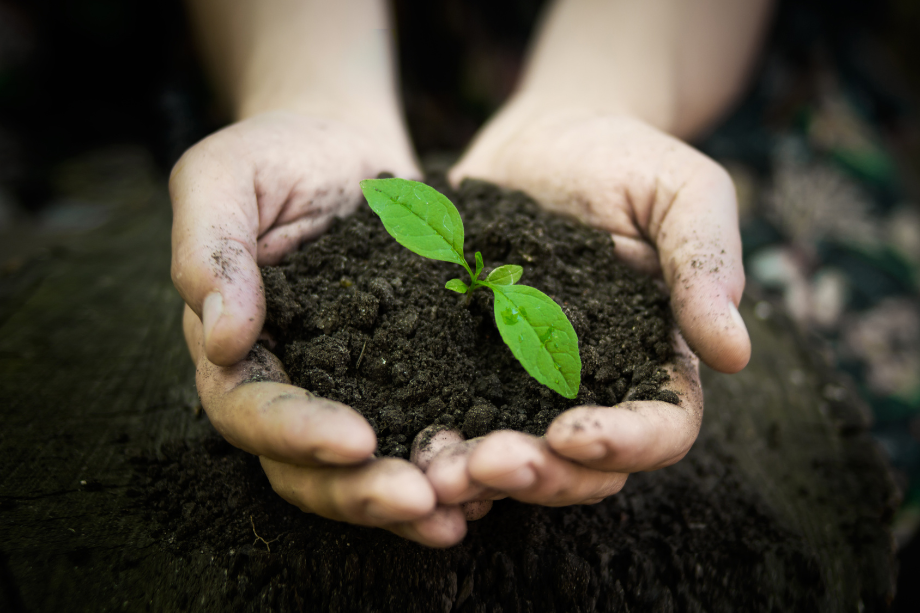
Introduction When you think about gut health, you may be focused on “good bacteria” and adding more microbes to your gut with things like probiotics, yogurt, kombucha, and even fecal transplants. But here’s the problem: most of the time those new microbes don’t stick around long enough to do you much good. And they don’t […]
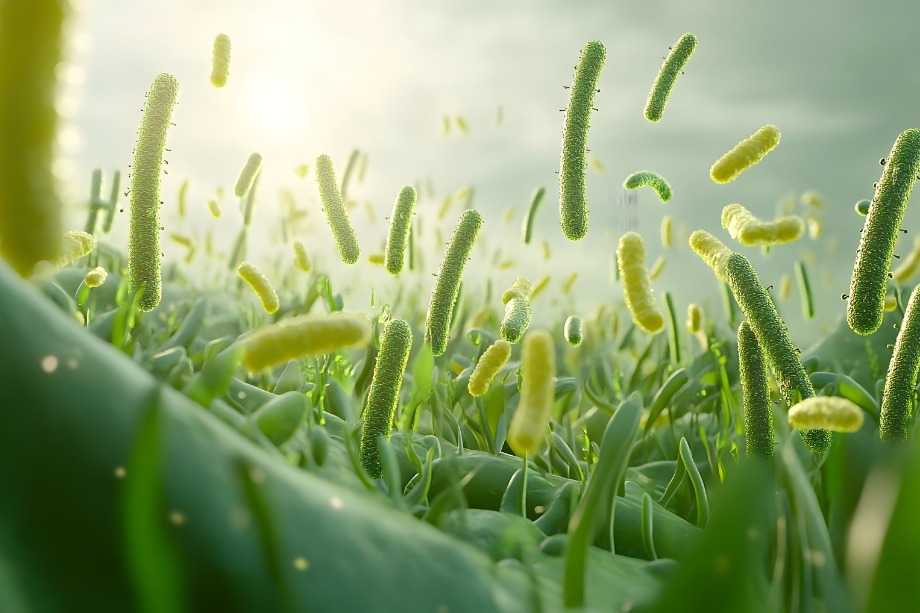
Introduction When we talk about gut health, we usually focus on bacteria and food. But new research shows your gut microbes also “talk” to your genes. They don’t change your DNA, but they can influence how your genes are turned on or off. This process is called epigenetics. Your gut environment and your genes are […]
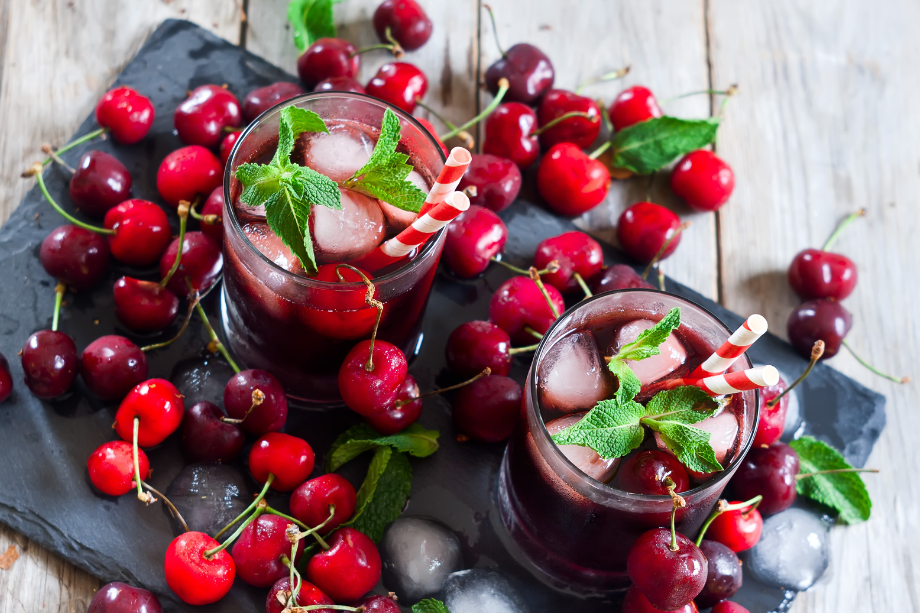
After a long, stressful day, many of us reach for a glass of wine to unwind. But what if there were a night-time ritual that satisfied the craving for something rich and relaxing without the health risks of alcohol? Enter: tart cherry juice — a delicious, gut-friendly substitute that not only tastes great but also […]
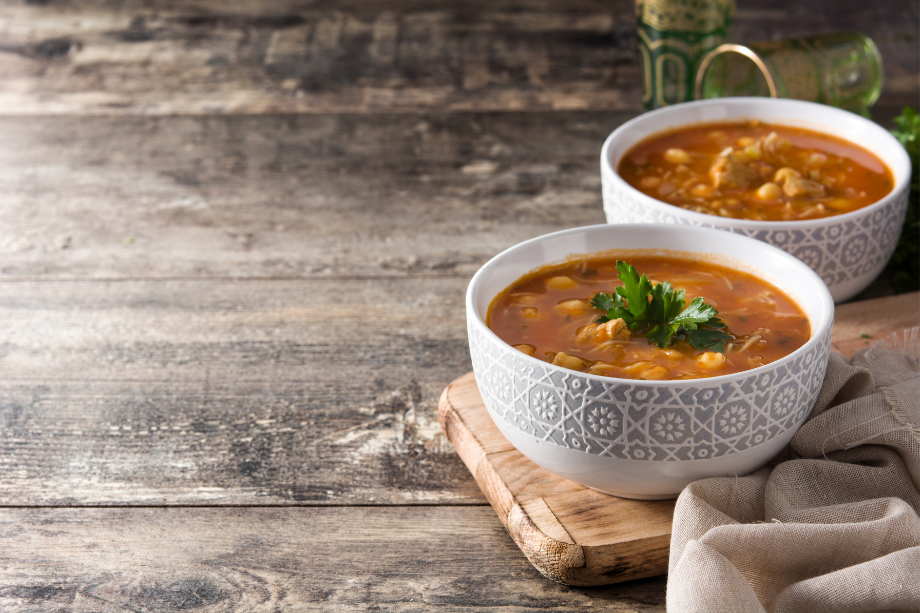
With more than fifteen different veggies and herbs, this soup will get you more than halfway to your goal of thirty different plant foods per week— in just one bowl of soup! Ingredients 2 tablespoons olive oil or avocado oil 1 yellow or sweet onion, diced 1 garlic clove, minced 3 celery stalks, diced 4 […]
Not long ago, colon cancer was mostly seen in people over 70. But today, about 1 in 10 new cases are in people under 50. In fact, colon cancer is now the number one cause of cancer deaths in men under 50, and the 2nd most common in women under 50. This isn’t just an […]