BLOG TOPIC

Cancer

Alcohol-Cancer-Risk-1536x1024
Alcohol increases colon cancer risk, independent of genetic risk. The study, published in May of this year in EClinical Medicine, looked at alcohol consumption and its association with colorectal cancer risk in over 9,000 patients. Alcohol consumption was self-reported using the following categories: abstinent (0g/d), low (less than 1 drink daily), low to moderate (1 […]

Meat-intake-and-cancer-risk-1536x1024
Eating meat 5 times or less per week lowers your risk of getting cancer, according to a recent study published in BMC Medicine. The study included over 470,000 participants and analyzed the risk of cancer in vegetarian and non-vegetarian diets. Diets were classified as: Regular meat consumption: consuming processed red meats and/or poultry more than […]
High-fiber-diet-1536x1024
A high-fiber diet is associated with higher survival rates in patients with melanoma being treated with a type of immunotherapy called checkpoint inhibitors, according to study results published in Science. The high-fiber diet is similar to the one endorsed by the American Cancer Society, and recommends high consumption of fruits and vegetables, whole grains, and […]
Exercise-scaled
While regular exercise has long been accepted as a preventative measure for just about every disease and condition out there, including premature death, studies are finding that exercise may play a therapeutic role in combating some of today’s most threatening diseases, including cancer. It may seem counterintuitive for sick, cancer patients on potent drugs, already […]

so-unfair-scaled
Kaye was in her mid 60’s with a long history of hypertension, a cardiac arrhythmia that had been stable for several years, and an eye condition that wasn’t well defined but seemed to be progressing. She contacted me via our website to ask if I could help with some constipation she’d been experiencing over the […]
blood-assay-for-CRC-scaled
A new study looking at a non-invasive blood assay method to detect early colorectal cancer (CRC) could eventually mean the end of regular colonoscopy for CRC screening. The test capitalizes on new, more sensitive methods to detect circulating cells in the blood and looks at three blood markers: circulating gastrointestinal epithelial cells, somatic mutations and […]
Colonoscopy-scaled-e1581133273968
Are you due for your colonoscopy (in case you missed it, the new screening age is 45) and looking for a little colonoscopy inspiration? Check out Will Smith’s colonoscopy video – an entertaining and informative must watch for everyone!
Photo1-scaled-e1576427199662
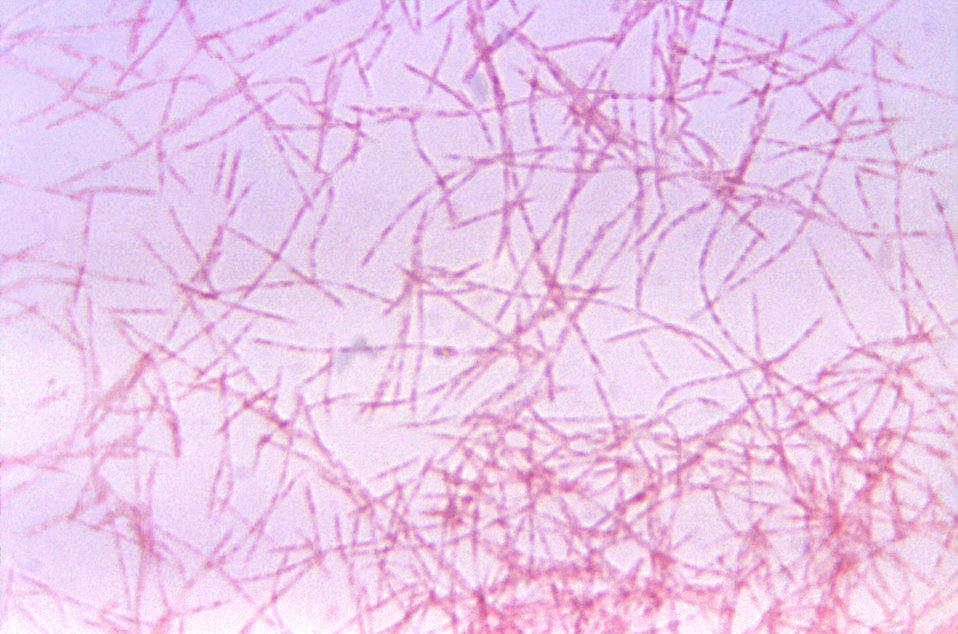
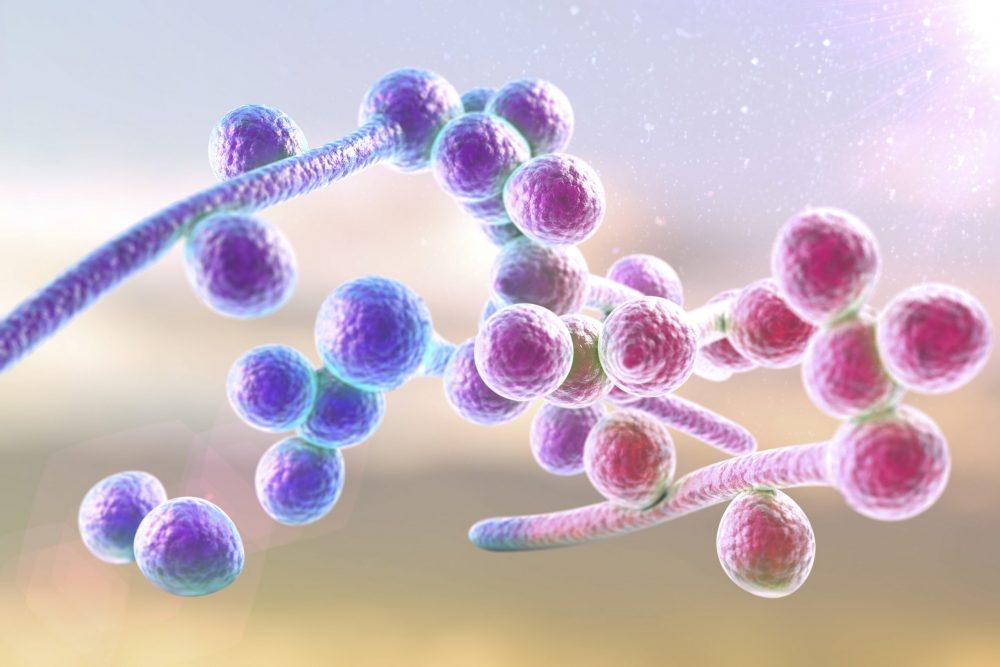
A fungus found on the skin and scalp of humans and animals may drive pancreatic cancer. A study published in Nature last month found that the fungus, a yeast known as Malassezia (which has also been linked to inflammatory bowel disease), can settle in the pancreas (an organ that was thought to be sterile until […]
Heap of red and pink antibiotics capsule
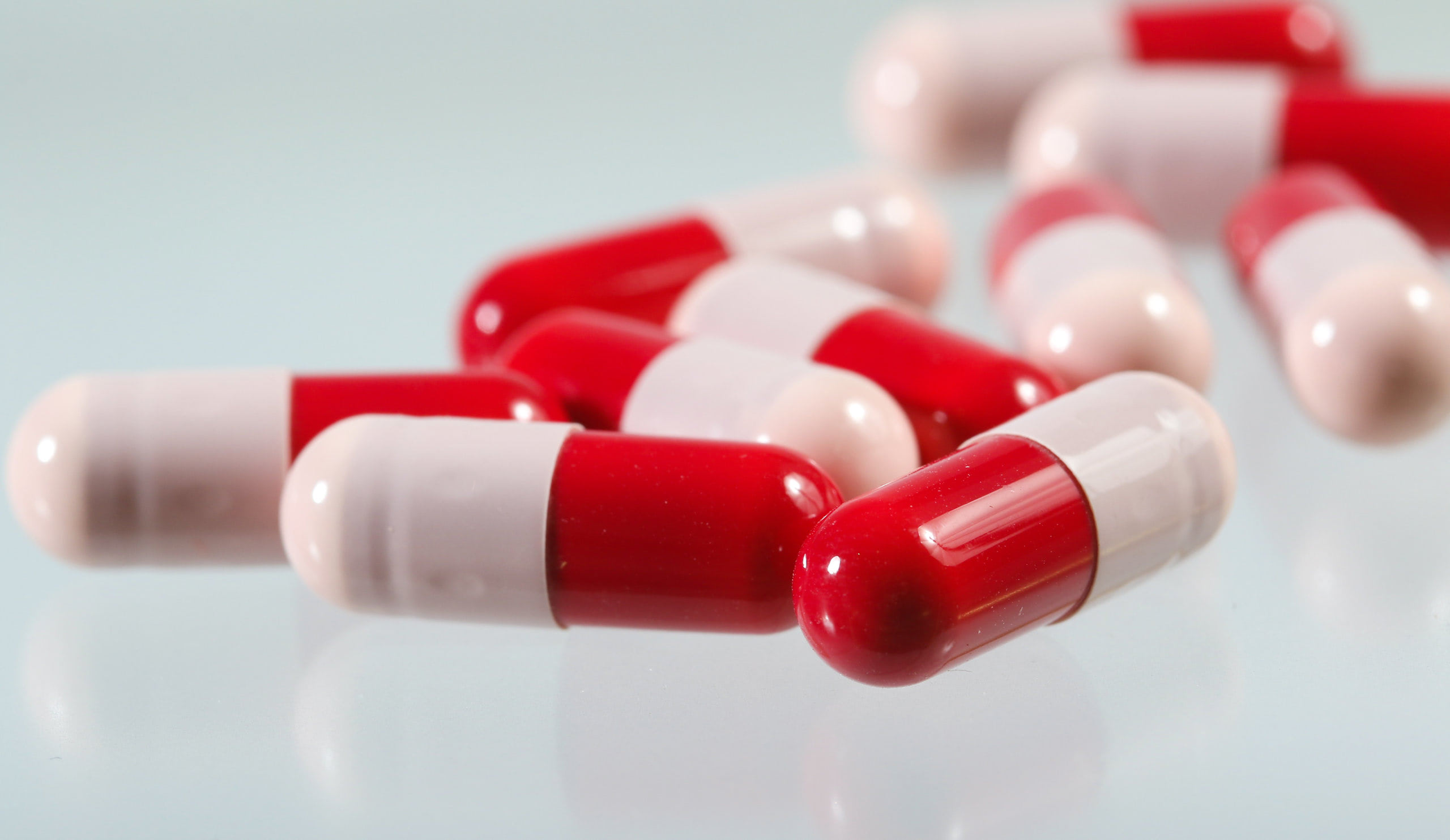
Oral antibiotics are tied to colorectal cancer (CRC). Researchers matched over 28,000 patients with CRC found in the Clinical Practice Research Datalink database with controls. Results showed that CRC risk depends on antibiotic type and location in the colon, but overall, CRC risk was dose dependent with any antibiotic use. Antibiotics with anti-anaerobic activity, which […]
running uphill in trail
A high level of cardiorespiratory fitness (CRF) dramatically reduces the risk of getting lung and colorectal cancer (CRC) and significantly increases survival rates. In one of the most diverse retrospective cohort studies, researchers analyzed data from over 49,000 participants with a median age of 54 years.  Those with the highest CRF levels (>12 METs, measured […]

FOLLOW US

Dr Robynne Chutkan
Dr. Chutkan's Newsletter
Read the latest news and research from Dr. Chutkan’s blog. From the most up to date science on the microbiome, to the best in gut-derived wellness – we are your complete guide to gut health! Sign-up now and receive FREE access to the Gutbliss Food Guide, Meal Plan, & Recipes, which includes all the basics on how to eat to optimize your microbial health.